




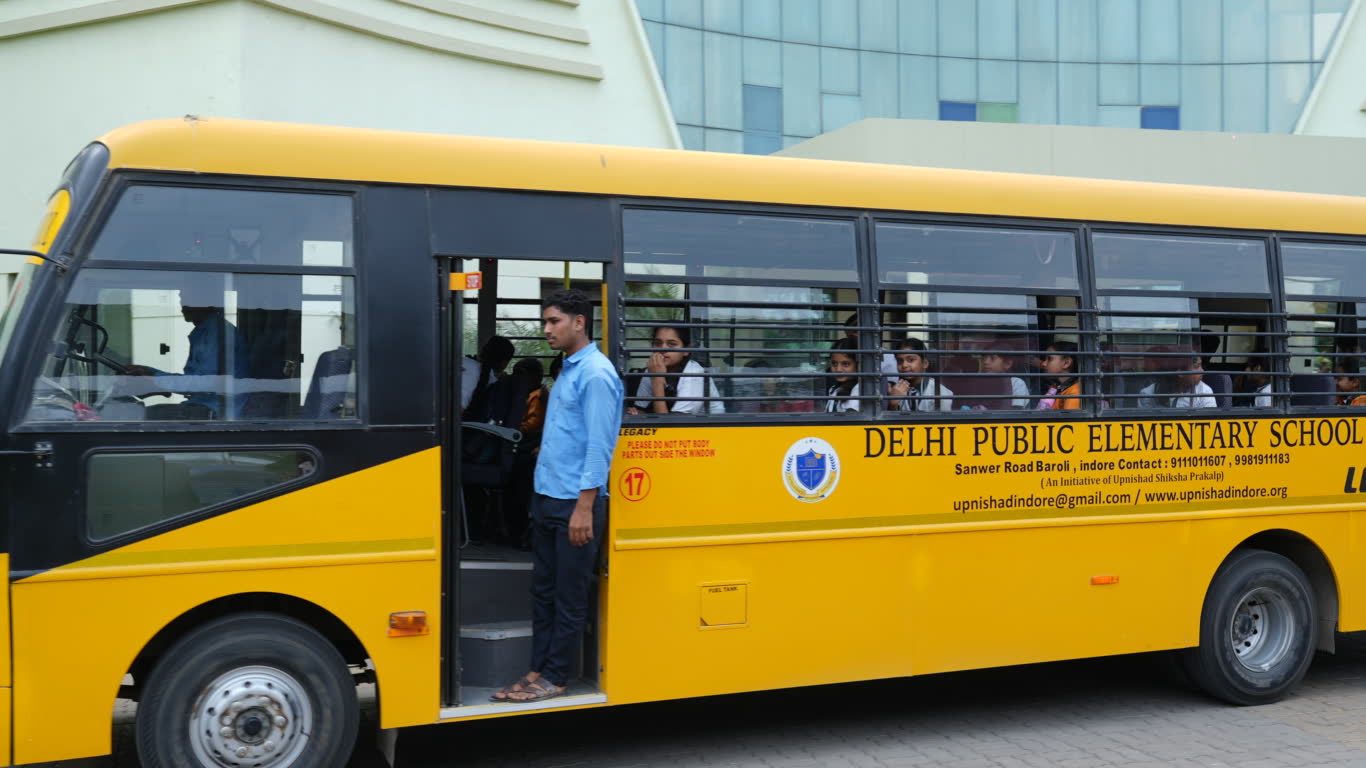
Child Safety: Every parent shares a common concern when sending their child to school: “Will my child be safe?” While academic excellence, modern facilities, and extracurricular opportunities are important, nothing matters more than a child safety. A school is not just a place for learning subjects—it is a second home where children grow, explore, and build their future. And just like any home, it must offer a sense of comfort, protection, and emotional security.
On the occasion of the World Day for Safety and Health at Work, observed globally by the International Labour Organization, it becomes even more meaningful to reflect on safety—not just in offices and industries, but also in schools, where the foundation of every individual is built.
A safe learning environment in school is not a luxury; it is a necessity. It shapes how children think, behave, and perform. When students feel safe, they thrive. When they don’t, their growth is limited.
A Child Safety learning environment is a combination of physical safety, emotional well-being, and psychological security. It ensures that every child feels protected, valued, and respected.
Let’s break it down the Child Safety:
1. Physical Safety
This includes all visible safety measures within the school campus:
- CCTV surveillance and secure entry/exit points
- Well-maintained infrastructure
- Fire safety systems and emergency preparedness
- Supervised playgrounds and corridors
Physical safety ensures that children are protected from accidents, unauthorized access, and environmental hazards.
2. Emotional Safety
Children must feel comfortable expressing themselves without fear:
- Supportive teachers who listen and guide
- No fear of humiliation or punishment
- Encouragement for participation and creativity
When emotional safety is present, students develop confidence and a sense of belonging.
3. Psychological Safety
This focuses on mental well-being:
- Anti-bullying policies
- Respect for diversity and individuality
- Positive and inclusive classroom environment
A psychologically safe environment helps children stay stress-free and motivated.
Together, these three elements create a holistic safe learning environment in school.
Why Child Safety is the Foundation of Learning
Safety is not just about protection—it directly influences how effectively a child learns.
Builds Confidence
When children feel safe, they are more willing to ask questions, share ideas, and participate in activities. Confidence becomes a natural outcome.
Improves Academic Performance
A stress-free mind can focus better. Students who feel secure are able to concentrate, understand concepts, and perform well academically.
Encourages Social Development
Safe environments promote healthy interactions. Children learn teamwork, empathy, and communication skills.
Supports Emotional Growth
Children who feel emotionally secure develop better coping mechanisms and resilience.
Reduces Fear and Anxiety
Fear blocks learning. Safety removes that barrier and allows curiosity to flourish.
In simple words, learning begins where fear ends.
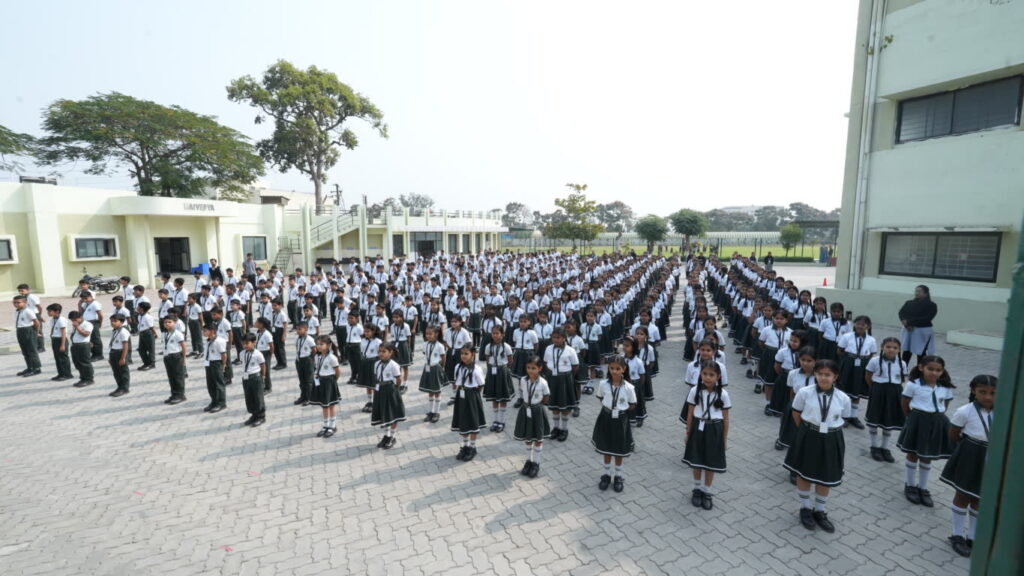
Key Elements of a Safe School Environment
Creating a safe learning environment requires continuous effort and planning. Here are the essential elements every school must focus on:
Secure Infrastructure
- Strong boundary walls and monitored gates
- Visitor verification systems
- Regular safety audits
Trained and Responsible Staff
Teachers and staff play a crucial role in maintaining safety:
- Awareness of child safety protocols
- Ability to handle emergencies
- Sensitivity towards student behavior and emotions
Health and Hygiene
- Clean classrooms and sanitation facilities
- Availability of first aid
- Regular health check-ups
Clear Safety Policies
- Anti-bullying rules
- Discipline policies based on respect
- Emergency evacuation plans
Student Awareness
Children should also be educated about safety:
- Basic safety rules
- How to seek help
- Awareness about good touch and bad touch
A safe school is not built overnight—it is built through consistent commitment.
The Role of Teachers in Ensuring Safety
Teachers are the backbone of a safe learning environment.
They are not just educators—they are protectors, mentors, and guides.
- They observe student behavior closely
- They identify signs of distress or discomfort
- They create a classroom where every child feels included
A caring teacher can make a child feel safe even in challenging situations.
When students trust their teachers, they feel secure enough to express themselves freely.
The Role of Parents in School Safety
Safety is a shared responsibility between schools and parents.
Parents can contribute by:
- Communicating openly with their children
- Teaching basic safety habits
- Staying connected with the school
- Reporting concerns without hesitation
When parents and schools work together, children benefit the most.
Challenges in Maintaining School Safety
In today’s fast-changing world, ensuring safety comes with its own challenges:
- Increased exposure to digital risks
- Rising cases of bullying and peer pressure
- Mental health concerns among students
- Need for constant monitoring and upgrades
Schools must stay proactive and adapt to new challenges to ensure continuous safety.
Why This Topic Matters Today
The World Day for Safety and Health at Work, led by the International Labour Organization, reminds us that safety is a universal priority.
While the day mainly focuses on workplaces, its message is equally important for schools. If we expect safe workplaces in the future, we must start by creating safe schools today. Children who grow up in safe environments carry those values into their adult lives.
How DPES School Creates a Safe Learning Environment
At DPES School, safety is not just a feature—it is a commitment.
We understand that parents trust us with their most valuable asset—their children. And we take that responsibility seriously.
Secure Campus
Our campus is designed with safety in mind, ensuring controlled access and constant monitoring.
Continuous Supervision
Trained staff members ensure that students are always under proper guidance and care.
Clean and Hygienic Environment
We maintain high standards of cleanliness to support student health.
Emotional Well-being Focus
We encourage open communication and ensure that every child feels valued and respected.
Positive Discipline Approach
We believe in guiding students with understanding rather than fear.
At DPES, we don’t just teach—we nurture, protect, and inspire.
Long-Term Impact of a Safe Learning Environment
The benefits of a safe learning environment go beyond school years.
Children who grow in safe environments:
- Become confident individuals
- Develop strong moral values
- Handle challenges effectively
- Build healthy relationships
They carry the lessons of safety, respect, and responsibility throughout their lives.
A school’s true success is not measured only by academic results but by how safe and supported its students feel. A safe learning environment in school is the foundation upon which all learning is built. It shapes not only academic success but also character, confidence, and future potential.
As we observe the importance of safety globally, let us remember that every child deserves a place where they can learn without fear, grow without limits, and dream without hesitation. At DPES School, we are proud to provide such an environment—where safety comes first, always.