




Delhi Public Elementary School proudly hosted a highly enriching Capacity Building Programme (CBP) Workshop on “Use of Artificial Intelligence in Classrooms for Educators.” The workshop was organized with the objective of empowering teachers with the knowledge, skills, and confidence required to integrate Artificial Intelligence (AI) into modern teaching and learning practices.
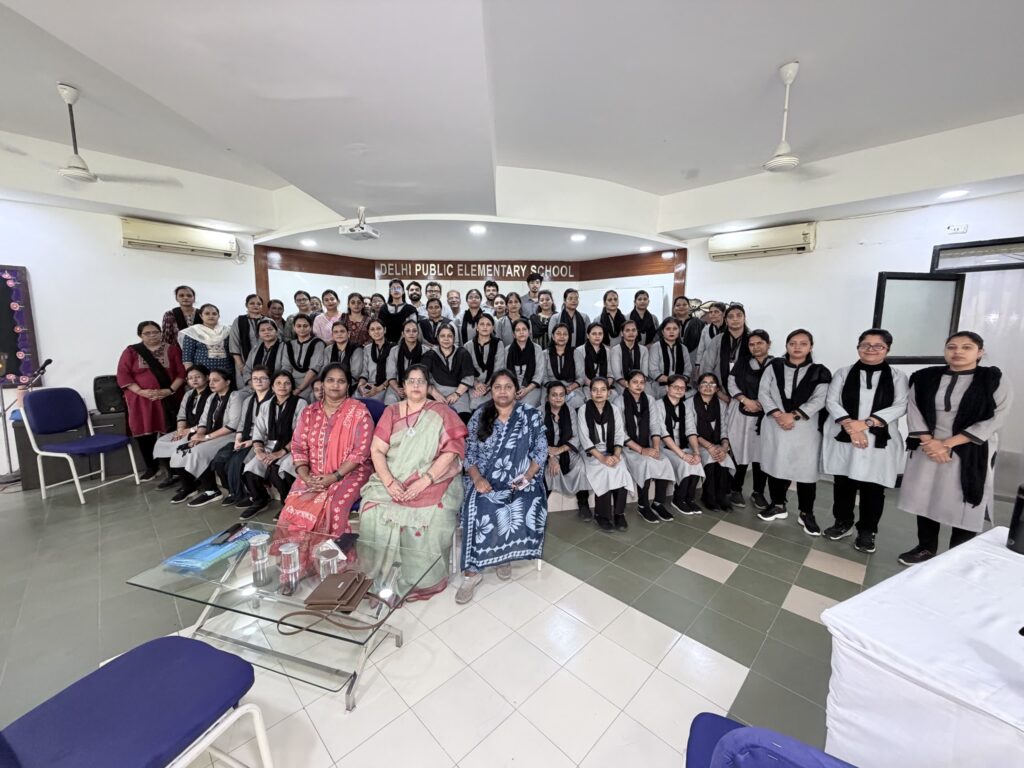
In today’s rapidly evolving educational landscape, technology has become an essential component of effective teaching. Artificial Intelligence is transforming the way educators plan lessons, assess student performance, create engaging content, and personalize learning experiences. Recognizing the importance of this transformation, Delhi Public Elementary School took a significant step towards preparing its educators for the future by organizing this insightful workshop.
The session was conducted under the guidance of distinguished resource persons Ms. Binni Santosh and Ms. Bhawana Shrivastava, who brought their expertise, experience, and practical knowledge to the participants. Their engaging presentations and hands-on demonstrations helped teachers understand how AI can be utilized responsibly and effectively in classrooms.
Understanding the Role of Artificial Intelligence in Education
The workshop began with an introduction to Artificial Intelligence and its growing significance in education. The resource persons explained how AI is no longer a futuristic concept but a practical tool that is already shaping educational systems around the world.
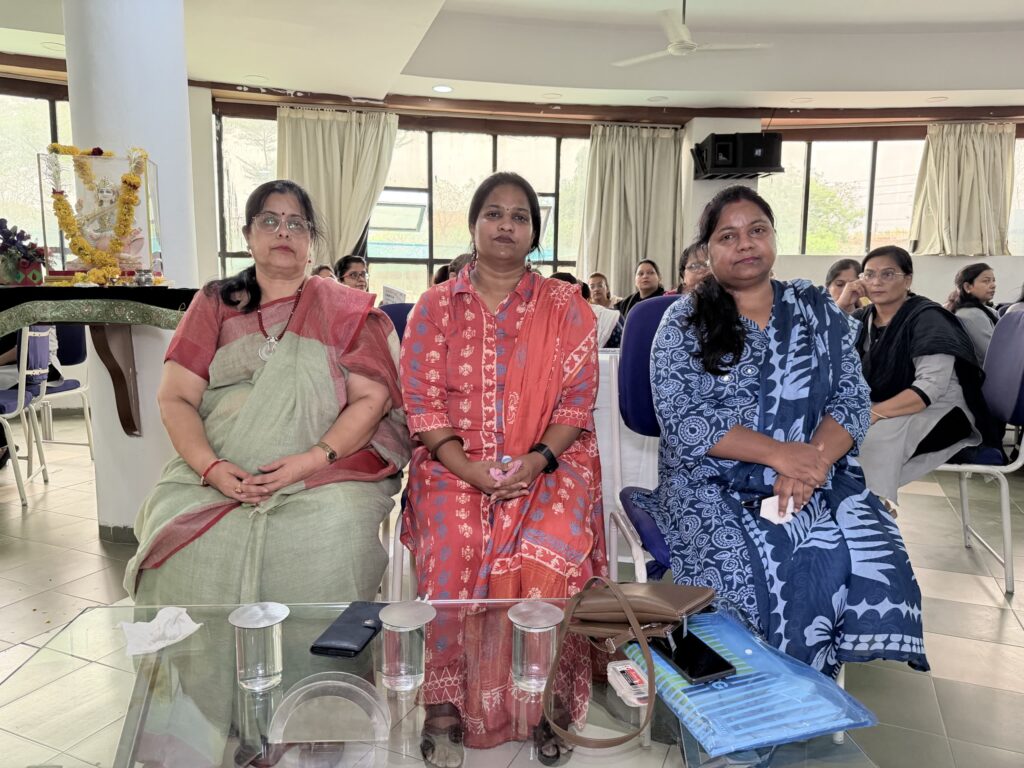
Teachers explored how AI-powered platforms can assist in lesson planning, content creation, data analysis, student assessment, and classroom management. The discussion emphasized that AI is not intended to replace teachers but rather to support them by reducing repetitive tasks and allowing them to focus more on meaningful student interactions.
Participants gained valuable insights into the various ways AI can enhance teaching efficiency while maintaining the human touch that remains at the heart of education.
Practical Applications of AI in the Classroom
One of the highlights of the workshop was the demonstration of practical AI tools that educators can incorporate into their daily teaching practices. Teachers were introduced to innovative technologies that can help create lesson plans, generate worksheets, design presentations, develop quizzes, and provide personalized learning support.
The resource persons demonstrated how AI can help teachers:
- Generate creative teaching materials.
- Design engaging classroom activities.
- Create differentiated content for diverse learning needs.
- Automate routine administrative tasks.
- Analyze student performance data.
- Improve assessment and feedback processes.
- Enhance student engagement through interactive learning experiences.
Through hands-on activities and live demonstrations, participants were able to explore these tools and understand their practical applications in real classroom settings.
Encouraging Innovation and Creativity
The workshop encouraged educators to embrace innovation and think creatively about how technology can improve learning outcomes. Teachers participated in discussions and collaborative activities where they shared ideas on integrating AI into different subjects and grade levels.
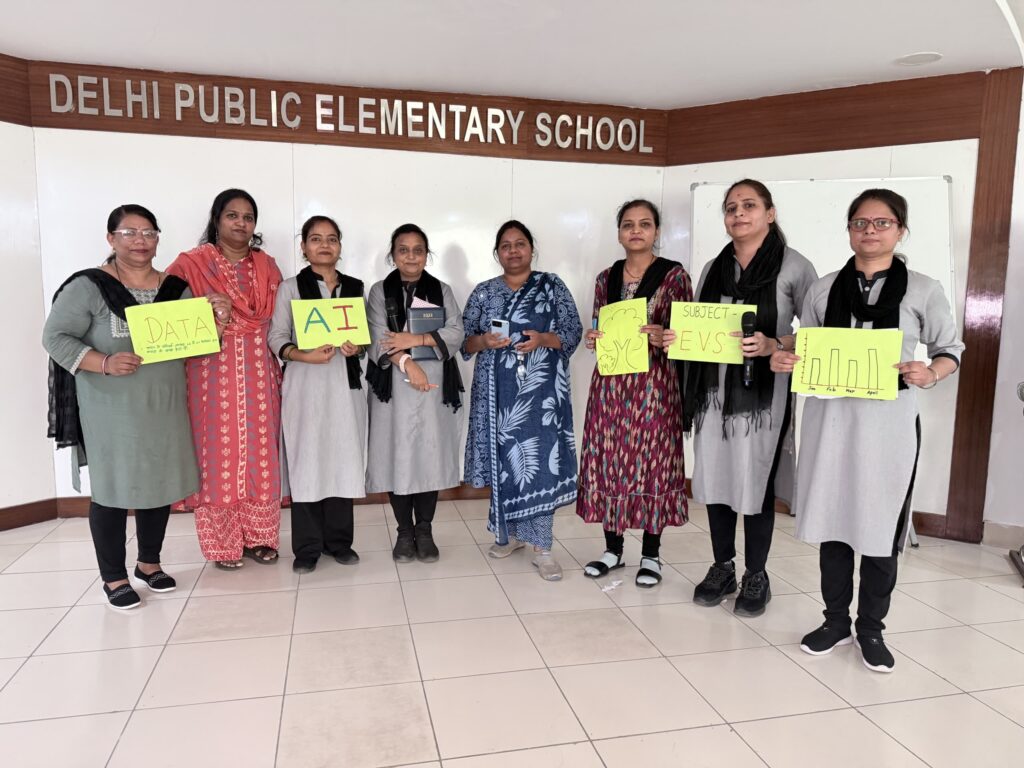
The session highlighted the importance of adapting teaching methodologies to meet the needs of 21st-century learners. By leveraging AI tools effectively, educators can create more dynamic, personalized, and engaging learning environments that foster curiosity, critical thinking, and problem-solving skills.
Teachers expressed enthusiasm about the possibilities offered by AI and appreciated the opportunity to explore new approaches that can make learning more interactive and meaningful for students.
Ethics, Responsibility, and Student Safety
While discussing the benefits of Artificial Intelligence, the workshop also emphasized the importance of ethical and responsible AI usage. Participants were guided on maintaining academic integrity, protecting student privacy, and ensuring that technology is used in ways that support learning without compromising safety or ethical standards.
The resource persons stressed that educators play a vital role in helping students become responsible digital citizens. Teachers learned about best practices for evaluating AI-generated content, verifying information, and promoting ethical technology use in educational settings.
This balanced approach helped participants understand that while AI offers tremendous opportunities, it must always be used thoughtfully and responsibly.
Capacity Building for Future-Ready Educators
The workshop served as an important platform for professional development and capacity building. As educational systems continue to evolve, continuous learning and upskilling have become essential for educators.
Through this programme, teachers gained practical knowledge and confidence in utilizing emerging technologies to improve teaching effectiveness. The session empowered participants to move from being merely curious about AI to becoming confident users of AI-powered educational tools.
The workshop also reinforced the importance of lifelong learning among educators, encouraging them to remain adaptable and open to new innovations that can enhance student learning experiences.
A Collaborative Learning Experience
The event provided teachers with an opportunity to collaborate, exchange ideas, and learn from one another. The interactive nature of the workshop fostered meaningful discussions and encouraged participants to reflect on how AI can support their individual teaching practices.
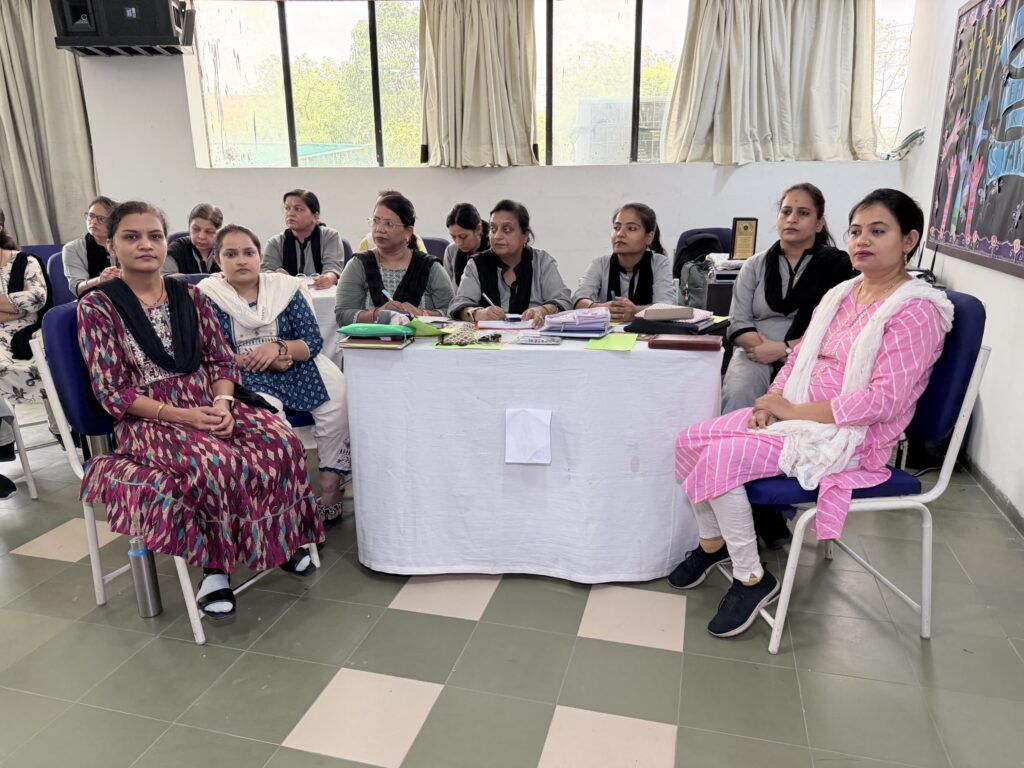
Teachers appreciated the collaborative environment, which allowed them to explore challenges, share experiences, and discover practical solutions together. Such professional interactions strengthen the educational community and contribute to a culture of continuous improvement.
Appreciation for the Resource Persons
Delhi Public Elementary School extends its heartfelt gratitude to Ms. Binni Santosh and Ms. Bhawana Shrivastava for conducting this highly informative and inspiring session. Their expertise, practical demonstrations, and engaging approach made the workshop both valuable and enjoyable for all participants.
Their guidance helped educators gain a deeper understanding of Artificial Intelligence and its potential to transform teaching and learning in meaningful ways.
Conclusion
The CBP Workshop on Use of Artificial Intelligence in Classrooms for Educators marked another significant milestone in Delhi Public Elementary School’s commitment to excellence in education and professional development. The workshop successfully equipped educators with practical AI skills, innovative teaching strategies, and a deeper understanding of responsible technology integration.
As education continues to evolve, Delhi Public Elementary School remains dedicated to empowering its teachers with the tools and knowledge necessary to create future-ready classrooms. By embracing innovation while upholding strong educational values, the school is preparing both educators and students for the opportunities and challenges of tomorrow.
This workshop reaffirmed the belief that technology, when used thoughtfully and ethically, can become a powerful catalyst for enhancing learning, inspiring creativity, and shaping the future of education. Through initiatives like these, Delhi Public Elementary School continues to lead the way in fostering innovation, excellence, and lifelong learning within its educational community.