



Introduction: Making Road Safety Fun for Young Learners
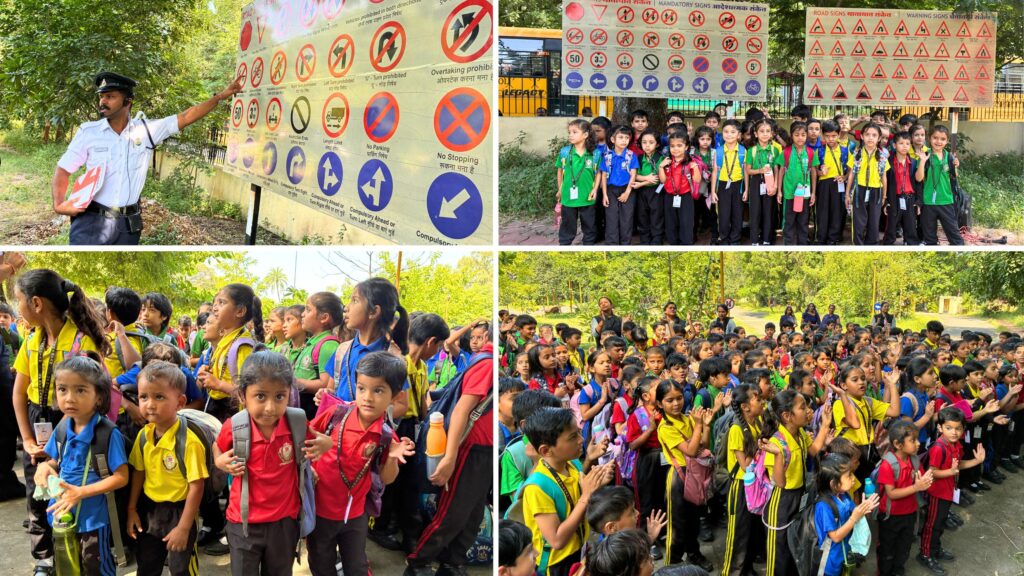
Road safety is an essential life skill that every child should learn from an early age. Understanding traffic rules, road signs, pedestrian safety and responsible behaviour on the road helps children develop habits that can protect them throughout their lives. With this objective, Delhi Public Elementary School (DPES), Indore, organised an educational visit to the Traffic Garden for its young learners from Nursery to Class II.
The visit provided an exciting opportunity for children to learn about traffic rules for kids, road safety awareness and the importance of following road signs through interactive learning and practical demonstrations. Instead of limiting learning to textbooks and classroom discussions, the students experienced a more engaging way to understand everyday traffic situations.
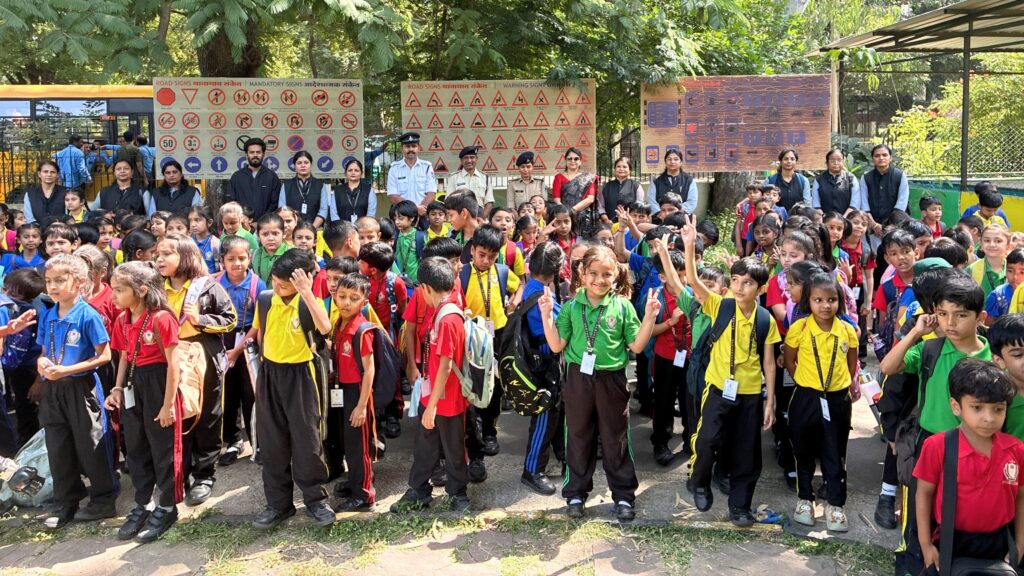
The session was enriched by the valuable guidance of Sumant Singh Kachhawa Ji, Traffic Police, along with TI Traffic Shri Narayan Singh Damor Ji and TI Traffic Ms. Seema Gupta Ji. Their guidance helped young learners understand why traffic rules are important and how following them contributes to safer roads for everyone.
An Educational Visit to the Traffic Garden
The Traffic Garden visit was designed to introduce young students to the basic principles of road safety in an engaging and age-appropriate manner. For children in Nursery to Class II, practical experiences can make unfamiliar concepts easier to understand and remember.
During the visit, students learned about traffic rules, road signs, pedestrian safety and responsible behaviour on the road. The interactive session encouraged them to observe, listen and understand how traffic systems help people travel safely.
A traffic garden provides a useful environment for introducing children to common road situations. Through demonstrations and guidance, children can begin to understand why people must follow traffic signals, remain attentive near roads and respect the rules designed to protect pedestrians and road users.
The experience also helped connect classroom learning with real-life situations. Such educational visits encourage curiosity, active participation and a better understanding of the world beyond school.
Learning Traffic Rules for Kids Through Practical Experiences
Teaching traffic rules to young children requires simple explanations, repetition and practical examples. Children may recognise a traffic light or a pedestrian crossing, but they also need to understand what these signs mean and how to respond to them.
The Traffic Garden visit gave DPES students an opportunity to learn the importance of following traffic rules in their daily lives.
1. Understanding Traffic Signals
Traffic signals play an important role in regulating the movement of vehicles and pedestrians. Children need to understand the basic meaning of red, yellow and green lights.
Learning these signals helps young students recognise that traffic lights communicate instructions and that road users must pay attention to them. These early lessons build awareness of how traffic systems work.
2. Recognising Important Road Signs
Road signs provide essential information, warnings and instructions to drivers and pedestrians. Introducing children to common road signs helps them become more aware of their surroundings.
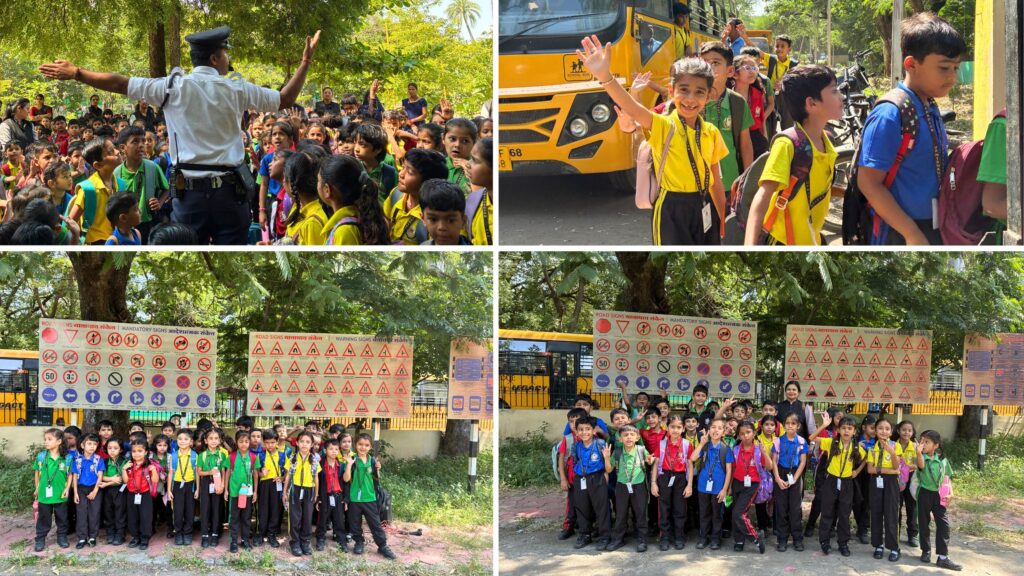
Students can gradually learn to recognise signs related to pedestrian crossings, school zones, speed limits and other common road situations. Understanding these signs encourages children to be observant and cautious when travelling with adults.
3. Developing Pedestrian Safety Habits
Pedestrian safety is one of the most important aspects of road safety education for kids. Children should learn to use designated pedestrian crossings wherever available, stay on footpaths when possible and cross roads only with appropriate adult supervision.
They should also understand the importance of stopping before crossing, looking carefully in both directions and listening for traffic. Young children must always cross roads with a responsible adult rather than relying on their understanding of traffic rules alone.
4. Understanding Responsible Behaviour on the Road
Road safety is not limited to knowing traffic signals. It also involves patience, attention and responsible behaviour.
Children should learn not to run onto roads, play near moving vehicles or become distracted while crossing. They should also understand the importance of following adult instructions and remaining alert in traffic areas.
These small but meaningful habits can help establish a foundation for responsible road use as children grow older.
Guidance from Traffic Police Officials
The educational session became more meaningful through the valuable guidance and demonstrations provided by Sumant Singh Kachhawa Ji, Traffic Police, along with TI Traffic Shri Narayan Singh Damor Ji and TI Traffic Ms. Seema Gupta Ji
Their interaction helped introduce students to the importance of traffic discipline and road safety in a practical and accessible way. Guidance from traffic police officials can help children understand that traffic rules are not simply instructions to memorise; they are essential measures that protect lives and help roads function safely.
For young learners, such interactions also provide an opportunity to develop respect for the people who work to maintain traffic discipline and public safety.
By connecting road safety lessons with real-world examples, the session encouraged students to recognise the importance of responsible behaviour whenever they are travelling with their parents, school staff or other caregivers.
Why Road Safety Education Is Important in Primary School
Early childhood is an important stage for developing everyday habits. Introducing road safety education during the foundational years helps children become familiar with safe practices before they encounter increasingly complex traffic environments.
There are several benefits of teaching road safety at an early age.
Building awareness: Children begin to recognise traffic signals, road signs and common road hazards.
Developing responsible habits: Repeated learning helps children understand the importance of waiting, observing and following instructions.
Encouraging practical learning: Demonstrations and educational visits make safety concepts easier to relate to real-life experiences.