




Nurturing Values for a Better Tomorrow
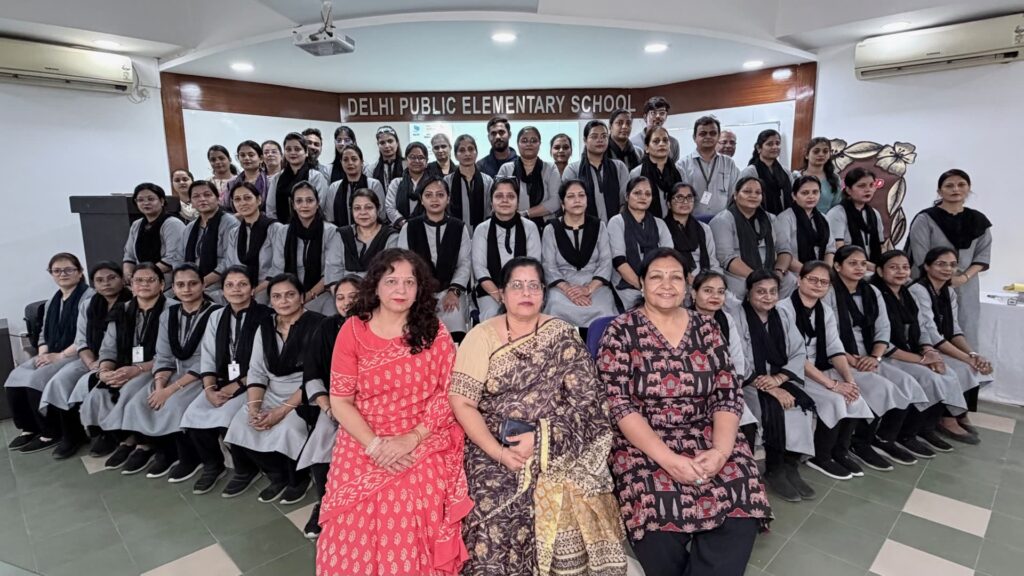
At Delhi Public Elementary School, we believe that education is not limited to academic excellence alone. True education shapes character, instills values, and prepares students to become responsible citizens of society. Keeping this vision in mind, the school successfully organized a CBP (Capacity Building Program) Workshop on Value Education for its educators. The workshop was designed to help teachers strengthen their understanding of value-based education and explore innovative ways to integrate moral and ethical values into classroom teaching.

The event proved to be an enriching and inspiring experience for all participants, reinforcing the importance of values in the holistic development of students.
A Meaningful Initiative for Educators
The CBP Workshop on Value Education aimed to equip teachers with practical strategies to foster empathy, integrity, respect, responsibility, and compassion among students. In today’s rapidly changing world, academic knowledge alone is not sufficient. Students also need strong moral foundations that guide them in making ethical decisions and developing positive relationships.
Recognizing this need, Delhi Public Elementary School took the initiative to organize a comprehensive workshop that focused on the role of teachers in nurturing values and character development in young learners.
The workshop created an engaging platform where educators reflected on their teaching practices and discussed effective ways to make value education an integral part of daily classroom experiences.
Distinguished Resource Persons
The school was honored to welcome two highly respected educators as resource persons for the workshop:
Ms. Geeta Taneja
Principal, Vidhyanjali International School
Ms. Shail Agrawal
PGT English, NDPS

Their expertise, vast educational experience, and insightful perspectives made the session highly informative and impactful.
Both facilitators shared practical examples, real-life experiences, and innovative approaches that inspired teachers to think beyond traditional teaching methods. Their sessions emphasized that values cannot simply be taught through textbooks; they must be demonstrated, practiced, and experienced in everyday school life.
Understanding the Importance of Value Education
One of the key themes discussed during the workshop was the growing importance of value education in modern society.
Students today are exposed to vast amounts of information through technology and social media. While this access to knowledge offers numerous opportunities, it also presents challenges related to ethical decision-making, emotional well-being, and social responsibility.
The facilitators emphasized that schools play a critical role in helping students develop:
- Respect for others
- Honesty and integrity
- Empathy and kindness
- Responsibility and accountability
- Self-discipline
- Teamwork and cooperation
- Environmental awareness
- Leadership qualities
Teachers were encouraged to create classroom environments where these values are not merely discussed but actively practiced.
Interactive Learning Sessions
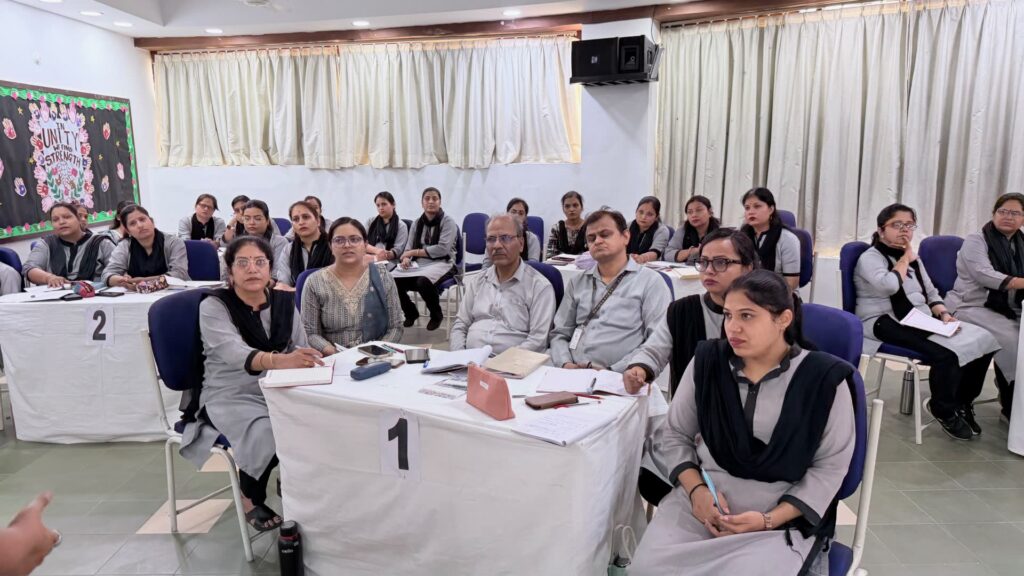
The workshop featured a variety of interactive activities that kept participants engaged throughout the session.
Teachers participated in:
- Group discussions
- Collaborative activities
- Case study analysis
- Reflective exercises
- Value-based classroom scenarios
- Experience-sharing sessions
These activities enabled educators to exchange ideas, learn from one another, and explore practical solutions to real-life classroom challenges.
The resource persons encouraged participants to reflect on how small daily actions and interactions can have a lasting impact on students’ character development.
Integrating Values into Everyday Teaching
A major focus of the workshop was on integrating values seamlessly into academic instruction.
Rather than treating value education as a separate subject, teachers were guided on how to incorporate moral and ethical lessons across different disciplines.
Examples included:
Language Classes
Using stories, poems, and discussions to teach empathy, honesty, and perseverance.
Social Science
Exploring themes of citizenship, diversity, equality, and social responsibility.
Science
Promoting environmental consciousness, ethical scientific practices, and respect for nature.
Mathematics
Encouraging accuracy, fairness, patience, and logical thinking.
Co-Curricular Activities
Building teamwork, leadership, sportsmanship, and mutual respect.
This interdisciplinary approach ensures that values become a natural and consistent part of students’ learning experiences.
Building Positive School Culture
Another important aspect highlighted during the workshop was the role of school culture in value education.
The facilitators emphasized that students learn values not only through lessons but also by observing the behavior of adults around them.
Teachers were encouraged to:
- Lead by example
- Foster inclusive classrooms
- Encourage respectful communication
- Recognize positive behavior
- Promote collaboration over competition
- Create safe and supportive learning environments
When students witness values being practiced consistently, they are more likely to internalize them and apply them in their own lives.
Encouraging Emotional and Social Growth
The workshop also addressed the importance of emotional intelligence in education.
Participants explored ways to help students:
- Understand their emotions
- Develop self-awareness
- Manage conflicts peacefully
- Build healthy relationships
- Show empathy toward others
- Demonstrate resilience during challenges
Teachers learned techniques for supporting students’ emotional well-being while maintaining a positive and encouraging classroom atmosphere.
The facilitators highlighted that emotional growth and moral development are closely connected and essential for overall success in life.
Inspiring Discussions and Practical Insights
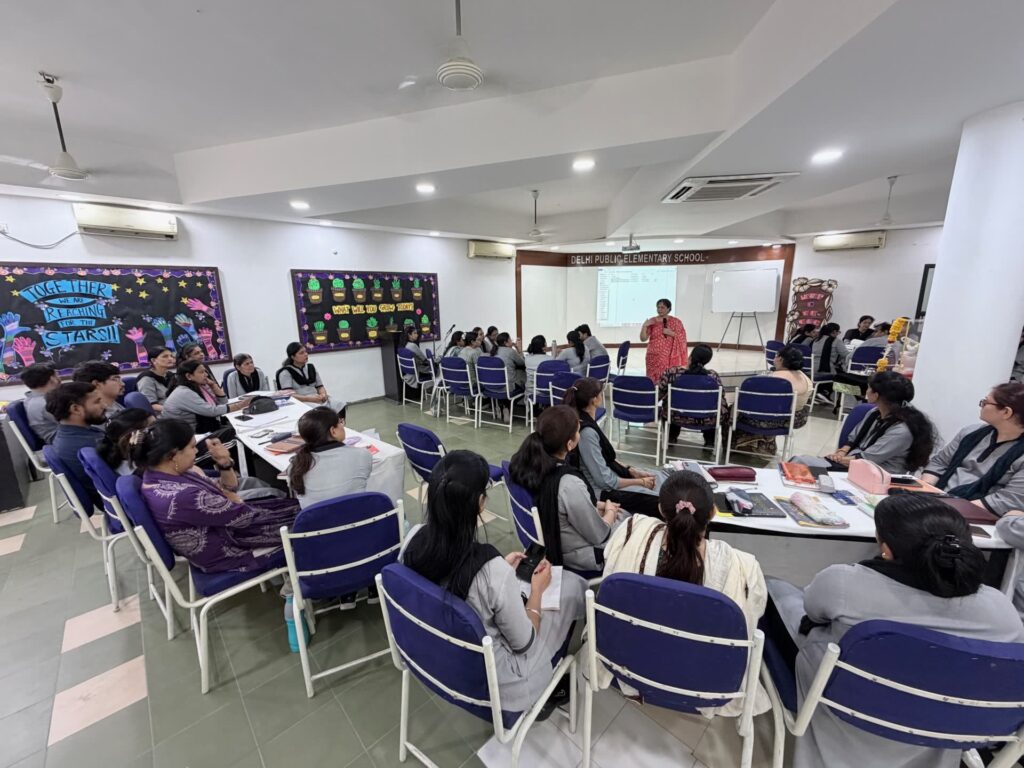
Throughout the workshop, educators actively engaged in meaningful discussions about real-world situations faced by students and teachers.
Participants reflected on questions such as:
- How can schools cultivate responsible digital citizens?
- How can teachers encourage ethical behavior in daily life?
- What role do parents and communities play in value education?
- How can values be reinforced through school activities and events?
These discussions provided practical insights and helped teachers identify effective strategies that can be implemented immediately within their classrooms.
A Step Towards Holistic Education
The CBP Workshop on Value Education reaffirmed Delhi Public Elementary School’s commitment to holistic education.
The school believes that academic achievement and character development must go hand in hand. By empowering educators with the knowledge and tools needed to promote values, the workshop contributed significantly to the school’s mission of nurturing well-rounded individuals.
The session inspired teachers to become stronger role models and mentors who can positively influence the lives of their students.
Conclusion
The successful organization of the CBP Workshop on Value Education marked another important milestone in Delhi Public Elementary School’s journey toward educational excellence.
The school extends its heartfelt gratitude to Ms. Geeta Taneja, Principal of Vidhyanjali International School, and Ms. Shail Agrawal, PGT English from NDPS, for their invaluable guidance and inspiring contributions.
Their expertise, practical strategies, and thought-provoking discussions enriched the learning experience for all participants and reinforced the significance of value-based education in today’s world.
As Delhi Public Elementary School continues its pursuit of excellence, such initiatives play a vital role in preparing educators to shape future generations who are not only knowledgeable and skilled but also compassionate, ethical, and responsible citizens.
At Delhi Public Elementary School, we believe that values build character, character builds leadership, and leadership creates a better future for all.