




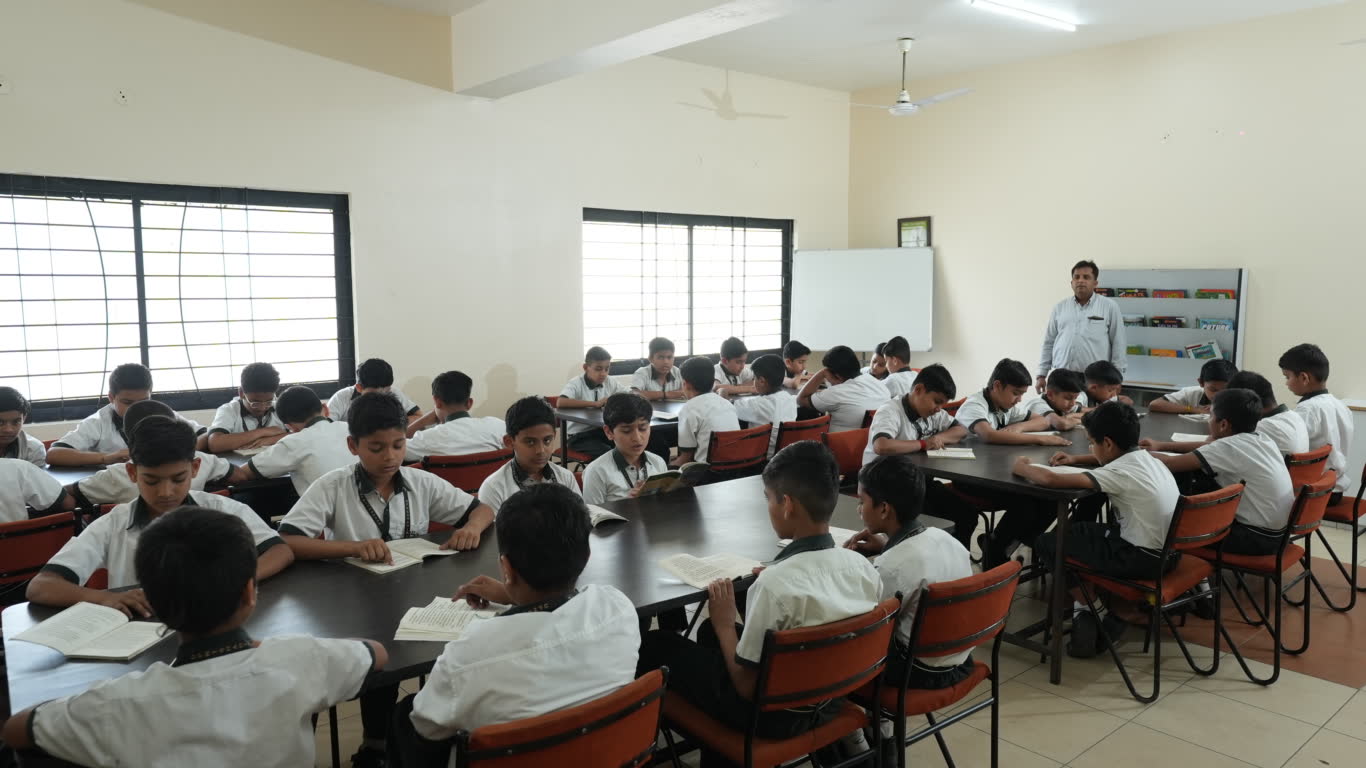
Education today is evolving rapidly. Modern teaching methods focus not only on textbooks and memorization but also on engaging and interactive ways of Storytelling for Children Learning. One of the most effective and enjoyable teaching methods used in primary education is storytelling.
Storytelling for Children Learning has been a powerful learning tool for centuries. Long before formal education systems existed, knowledge, values, traditions, and life lessons were passed from generation to generation through stories. Even today, storytelling remains one of the most impactful ways to help children understand complex ideas in a simple and memorable way.
For young students, stories make learning exciting, engaging, and meaningful. Instead of simply reading facts from a book, children experience information through characters, emotions, and events that stimulate their imagination.
At Delhi Public Elementary School, storytelling is considered an important part of early childhood education. Teachers use stories to make lessons interactive, improve communication skills, enhance creativity, and build strong emotional connections with learning.
In this article, we will explore how storytelling helps children learn better, why it is important in early education, and how schools and parents can use storytelling as an effective learning tool.
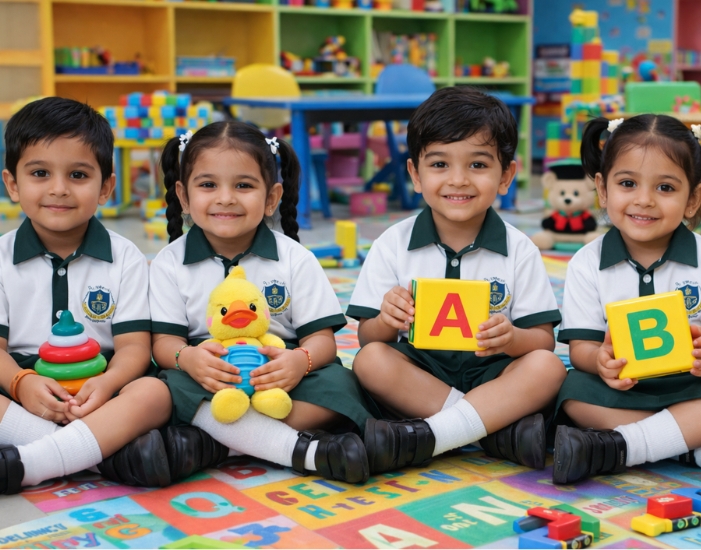
What Is Storytelling for Children Learning in Education?
Storytelling for Children Learning in education is the practice of using narratives, characters, and events to explain ideas, concepts, and lessons in a way that children can easily understand and remember.
Instead of simply presenting information, storytelling creates a situation where children become emotionally connected to the lesson.
For example:
- A science concept can be explained through a story about discovery.
- A moral lesson can be taught through a story about kindness.
- Historical events can be shared through engaging narratives.
When children listen to stories, they visualize situations, imagine characters, and connect emotionally with the message. This process makes learning more enjoyable and effective.
Why Storytelling Is Important for Young Students
1. Improves Listening Skills
One of the first and most important skills children develop through storytelling is active listening.
When students listen to a story, they focus on:
- understanding the plot
- remembering characters
- predicting what might happen next
This encourages concentration and helps children develop strong listening abilities.
Listening skills are extremely important in classrooms because they help students understand instructions, participate in discussions, and absorb new information effectively.
2. Enhances Imagination and Creativity
Stories open the door to imagination. When children hear a story, their minds begin to visualize scenes, characters, and events.
This imaginative process helps develop creativity.
Creative thinking allows students to:
- imagine new ideas
- think beyond textbooks
- express themselves freely
Creativity is a key skill in modern education and plays an important role in problem-solving and innovation.
3. Helps Children Understand Complex Concepts
Young children sometimes find it difficult to understand abstract concepts when they are explained through plain information.
Storytelling for Children Learning simplifies these concepts by placing them in relatable situations.
For example:
A story about sharing toys can teach children about kindness and cooperation.
A story about a curious scientist can introduce scientific thinking.
By presenting ideas through characters and events, children grasp concepts more easily.
4. Improves Memory and Retention
Stories are naturally easier to remember than plain facts.
Children tend to remember:
- characters
- events
- emotions
- lessons from stories
When educational information is presented through storytelling, students retain it for a longer time.
This improves overall learning outcomes and academic performance.
5. Builds Language and Communication Skills
Storytelling for Children Learning exposes children to new vocabulary, sentence structures, and expressions.
When students regularly listen to stories, they develop better:
- speaking skills
- reading abilities
- writing skills
Children also learn how to organize their thoughts and express ideas clearly.
This strengthens their communication skills, which are essential for academic success and social interaction.
The Role of Storytelling in Early Childhood Education
Early childhood is the most important stage of cognitive and emotional development.
During these years, children learn best through experiences, imagination, and interaction rather than traditional lectures.
Storytelling for Children Learning supports early childhood education in several ways.
Encourages Emotional Understanding
Stories often involve emotions such as happiness, fear, kindness, or bravery. When children hear these stories, they learn to understand emotions and develop empathy.
Promotes Moral Values
Many stories teach important life lessons such as honesty, respect, responsibility, and kindness.
Through storytelling, children learn these values in a natural and engaging way.
Supports Cognitive Development
Listening to stories requires children to follow sequences, understand cause-and-effect relationships, and predict outcomes. These processes strengthen cognitive development.
How Storytelling Improves Classroom Learning
Teachers often use storytelling to make classroom learning more interactive and engaging.
Making Lessons Interesting
Stories capture children’s attention and keep them interested in the lesson.
For example, a mathematics lesson can include a story about solving problems, while a science lesson might involve a story about exploration or discovery.
This approach keeps students motivated and eager to learn.
Encouraging Participation
Storytelling can also involve student participation.
Teachers may ask students to:
- predict what will happen next
- describe characters
- retell parts of the story
This interactive approach encourages students to participate actively in the learning process.
Creating a Positive Learning Environment
Stories create a warm and friendly classroom atmosphere.
When teachers share stories, students feel more relaxed and engaged. This positive environment helps children feel comfortable expressing their thoughts and ideas.
Storytelling Activities That Help Children Learn Better
There are many ways storytelling can be used to enhance learning.
Picture Storytelling
Teachers can use pictures or illustrations to tell a story. Visual storytelling helps children understand the sequence of events and stimulates imagination.
Role Play and Dramatization
Students can act out characters from a story.
This activity improves:
- confidence
- communication skills
- creativity
Role play also helps children understand the emotions and motivations of characters.
Story Creation Activities
Teachers can encourage students to create their own stories.
Children can invent characters, build plots, and share their stories with classmates.
This activity develops creativity and storytelling skills.
Story Discussions
After a story is told, teachers can discuss its message with students.
Questions such as:
- What lesson did we learn from the story?
- What would you do if you were the character?
- Why did the character make that decision?
These discussions help develop analytical thinking and understanding.
How Parents Can Use Storytelling at Home
Parents can also use storytelling to support their child’s learning and development.
Reading Bedtime Stories
Bedtime stories are a wonderful way to strengthen parent-child bonds while improving listening and language skills.
Children look forward to these moments and associate stories with comfort and learning.
Encouraging Children to Tell Stories
Parents can encourage children to tell their own stories about their day, their experiences, or their imagination.
This practice helps develop confidence and communication abilities.
Using Stories to Teach Life Lessons
Parents can use stories to explain important values such as honesty, kindness, patience, and responsibility.
Stories make these lessons easier for children to understand and remember.
Benefits of Storytelling for Student Development
Storytelling contributes to multiple aspects of a child’s development.
Children who regularly engage with stories often show improvements in:
- language skills
- creativity
- emotional intelligence
- listening abilities
- imagination
- communication skills
These skills help students become confident learners and well-rounded individuals.
How Delhi Public Elementary School Encourages Story-Based Learning
At Delhi Public Elementary School, storytelling plays an important role in the learning process.
Teachers integrate stories into classroom activities to make lessons more engaging and meaningful.
Students are encouraged to:
- participate in storytelling sessions
- express ideas through stories
- develop imagination and creativity
- understand moral values through narratives
Through storytelling, the school creates a learning environment where students feel excited, curious, and motivated to learn.
The goal is to make education enjoyable while helping students develop essential life skills.
The Future of Learning Through Storytelling
With the advancement of modern education techniques, storytelling is becoming even more important.
Digital storytelling, animated narratives, and interactive learning tools are making storytelling more powerful and engaging than ever before.
Schools that integrate storytelling into their teaching methods help students develop deeper understanding, stronger communication skills, and greater creativity.
Storytelling transforms learning from a passive experience into an exciting journey of exploration and discovery.
Conclusion
Storytelling for Children Learning is one of the most effective and enjoyable ways to help children learn and grow. It strengthens imagination, improves communication skills, enhances memory, and helps students understand complex ideas in a simple and engaging way.
Both schools and parents play an important role in encouraging Storytelling for Children Learning as a learning method.
By integrating storytelling into everyday learning, educators can create meaningful educational experiences that inspire curiosity, creativity, and critical thinking.
At Delhi Public Elementary School, storytelling is used as a powerful teaching tool to make education engaging, interactive, and memorable for students.
By nurturing imagination and communication skills through storytelling, the school helps young learners build a strong foundation for lifelong learning and success.