




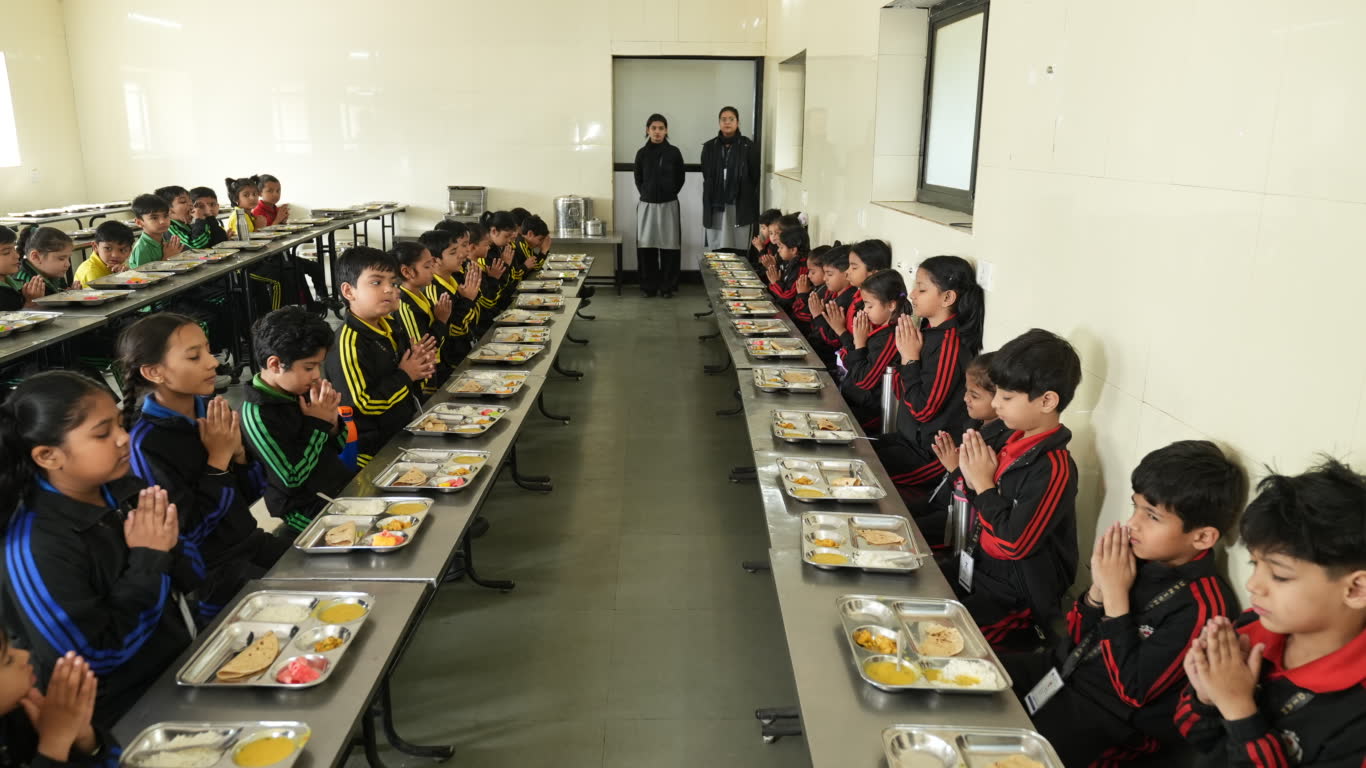
Healthy Habits For Students: The early years of a child’s life are the most important stage for building lifelong habits. During this period, children learn behaviors, routines, and attitudes that shape their future. One of the most valuable lessons students can learn is the importance of healthy habits.
Healthy Habits For Students help students stay active, focused, and mentally strong. When children follow good routines such as eating nutritious food, exercising regularly, sleeping well, and maintaining personal hygiene, they perform better both academically and socially.
Schools and parents play a crucial role in guiding students toward healthy lifestyles. By teaching children the importance of health from an early age, we can help them grow into confident, energetic, and successful individuals.
At Delhi Public Elementary School, the focus is not only on academic learning but also on developing healthy lifestyles among students. Through physical activities, balanced routines, and health awareness programs, the school encourages children to adopt habits that support both physical and mental well-being.
In this article, we will explore the most important Healthy Habits For Studentss should follow and how these habits contribute to better learning and overall development.
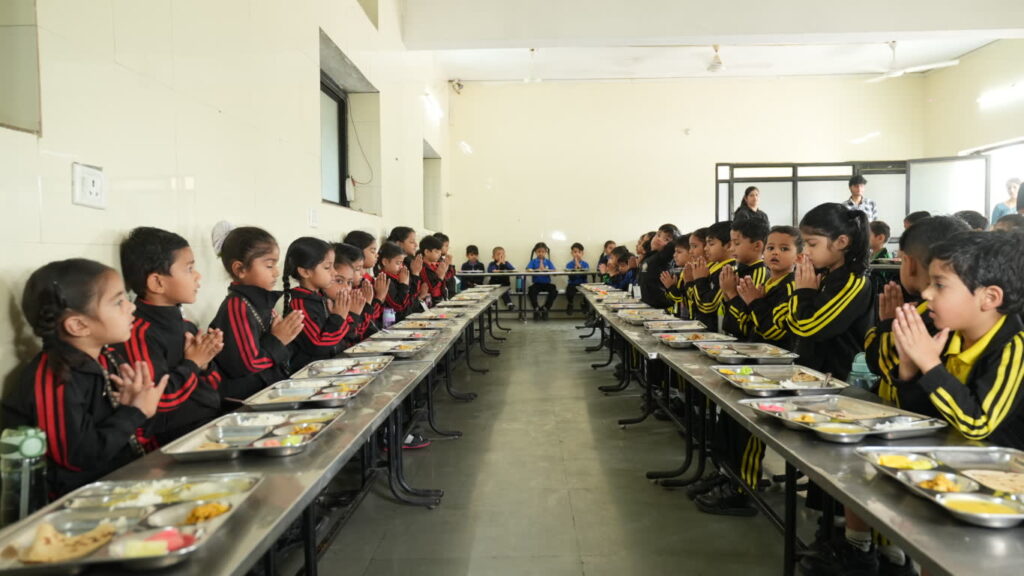
Why Healthy Habits For Students Are Important?
Healthy habits directly affect a student’s physical health, emotional stability, and academic performance.
Children who follow good health routines often show improvements in:
- concentration in class
- energy levels throughout the day
- emotional balance
- confidence and motivation
When students feel physically healthy and mentally relaxed, they are better able to focus on learning and perform well in school activities.
Developing healthy habits early in life also reduces the risk of health problems in the future.
Healthy Habits Every Student Should Follow
1. Maintaining a Balanced Diet
One of the most important habits students should develop is eating a balanced and nutritious diet.
A healthy diet provides the body and brain with the nutrients needed for growth, energy, and concentration.
Key Elements of a Healthy Diet
Students should include the following foods in their daily meals:
- fresh fruits and vegetables
- whole grains
- milk and dairy products
- proteins such as lentils, eggs, or nuts
Healthy eating improves brain function and helps students stay active throughout the school day.
Parents should also encourage children to drink enough water and avoid excessive junk food.
2. Getting Enough Sleep
Sleep is essential for both physical growth and mental development.
Children who do not get enough sleep often experience fatigue, difficulty concentrating, and mood changes.
Recommended Sleep Duration for Students
Young students generally need 8–10 hours of sleep each night.
A consistent bedtime routine helps children wake up refreshed and ready to learn.
Good sleep improves memory, attention span, and overall academic performance.
3. Regular Physical Activity
Physical activity is another important habit for students.
Exercise helps strengthen muscles, improve flexibility, and maintain overall health.
Benefits of Physical Activity for Students
Regular exercise helps students:
- stay energetic
- improve concentration
- develop stronger bones and muscles
- reduce stress
Activities such as sports, running, cycling, and playing outdoor games encourage children to stay active and healthy.
Schools often organize sports and physical education programs to support this habit.
4. Practicing Good Personal Hygiene
Personal hygiene plays an essential role in preventing illness and maintaining overall health.
Students should learn the importance of simple hygiene habits such as:
- washing hands regularly
- brushing teeth twice a day
- keeping nails clean
- wearing clean clothes
Good hygiene helps protect children from infections and promotes a healthy school environment.
Teachers and parents should encourage students to practice these habits daily.
5. Managing Screen Time
Technology is an important part of modern life, but excessive screen time can negatively affect children’s health.
Too much time spent on mobile phones, tablets, or computers may lead to:
- eye strain
- reduced physical activity
- sleep disturbances
Parents and teachers should guide students to maintain a balance between screen time and other activities.
Encouraging outdoor play, reading, and creative hobbies can help reduce excessive digital use.
6. Developing a Daily Routine
A structured daily routine helps students stay organized and disciplined.
When children follow a regular schedule, they learn to manage their time effectively.
A Healthy Daily Routine May Include
- waking up early
- preparing for school on time
- completing homework regularly
- spending time in physical activities
- going to bed at a consistent time
A well-balanced routine helps students maintain productivity and reduce stress.
7. Practicing Mindfulness and Relaxation
Mental well-being is just as important as physical health.
Students often face academic pressure and busy schedules. Practicing mindfulness and relaxation techniques can help them stay calm and focused.
Activities such as:
- deep breathing
- meditation
- quiet reading
- creative hobbies
can help students relax and improve emotional balance.
These practices support mental clarity and reduce anxiety.
Role of Schools in Promoting Healthy Habits For Students
Schools play a significant role in shaping students’ habits and lifestyles.
Educational institutions can promote healthy habits through various programs and activities.
Health Awareness Programs
Schools can organize sessions that teach students about nutrition, hygiene, and healthy lifestyles.
These programs help children understand why healthy habits are important.
Physical Education and Sports
Sports activities encourage students to stay physically active.
Participation in sports also develops teamwork, discipline, and confidence.
Healthy School Environment
A clean and supportive school environment encourages students to practice good hygiene and maintain healthy behaviors.
Teachers can also model positive habits that students learn and follow.
Role of Parents in Building Healthy Habits
Parents are the most influential role models in a child’s life.
Children often adopt habits by observing the behavior of adults around them.
Encouraging Healthy Eating
Parents should provide nutritious meals and teach children the importance of balanced diets.
Supporting Active Lifestyles
Encouraging outdoor activities and family sports can motivate children to stay active.
Creating Healthy Routines
Establishing regular schedules for meals, homework, and sleep helps children develop discipline and consistency.
When parents and schools work together, students are more likely to adopt and maintain healthy habits.
Long-Term Benefits of Healthy Habits
Students who develop healthy habits early in life experience numerous long-term advantages.
These benefits include:
- improved physical health
- better concentration and academic performance
- stronger emotional well-being
- increased confidence and self-discipline
Healthy habits also help students maintain positive lifestyles as they grow into adulthood.
How Delhi Public Elementary School Encourages Healthy Habits For Students
At Delhi Public Elementary School, student well-being is considered an essential part of education.
The school encourages healthy habits through:
- sports and physical activities
- awareness programs on nutrition and hygiene
- structured daily routines
- supportive learning environments
Teachers guide students to understand the importance of maintaining a healthy lifestyle.
By promoting physical fitness, balanced routines, and positive habits, the school ensures that students develop into healthy and confident individuals.
Conclusion
Healthy Habits For Students form the foundation for a successful and balanced life. When students develop habits such as eating nutritious food, staying physically active, maintaining hygiene, and following structured routines, they become healthier and more focused learners.
Both schools and parents play an essential role in guiding children toward positive lifestyles.
By encouraging healthy habits from an early age, we help students build strong bodies, sharp minds, and confident personalities.
At Delhi Public Elementary School, the commitment to student well-being ensures that children receive not only quality education but also the guidance needed to lead healthy and fulfilling lives.
Healthy students grow into successful individuals who are ready to face the opportunities and challenges of the future.