




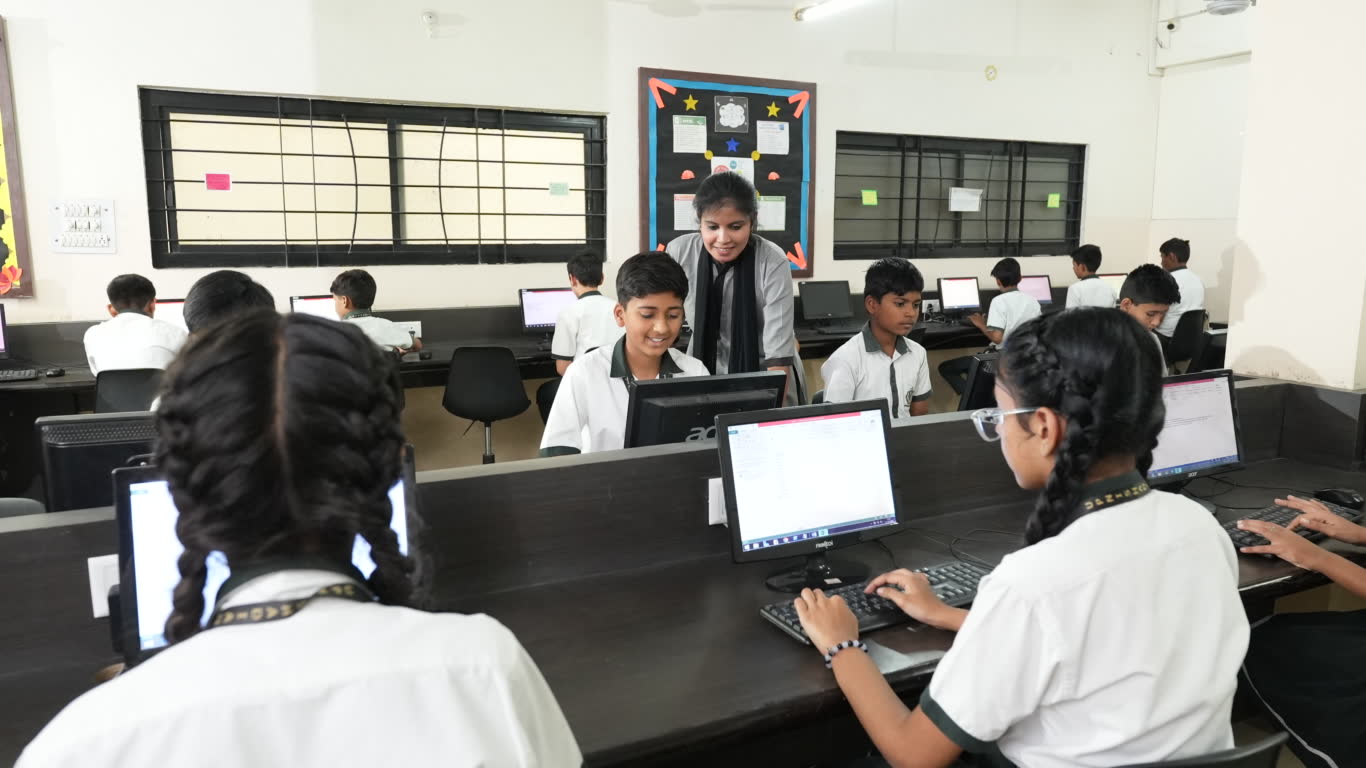
Digital Learning in Modern Schools : Education has undergone a remarkable transformation over the past decade. The traditional classroom, once limited to chalkboards and textbooks, has evolved into a dynamic learning environment powered by technology. Digital learning in modern schools is no longer an optional enhancement. It has become an essential component of effective education.
In today’s fast paced and technology driven world, students must be equipped with digital literacy, analytical thinking, and adaptability. Schools that integrate digital tools responsibly create an environment where students not only gain knowledge but also develop the skills required for future success.
At Delhi Public Elementary School Indore, digital learning is integrated thoughtfully into classroom instruction, ensuring that technology enhances understanding without replacing foundational values and discipline.
Understanding Digital Learning
Digital Learning in Modern Schools refers to the use of technology, digital tools, and online resources to enhance teaching and learning experiences. It includes smart classrooms, multimedia presentations, interactive software, virtual simulations, online assessments, and digital research platforms.
Unlike traditional teaching methods that rely heavily on memorization, digital learning focuses on engagement, visualization, and active participation. It transforms students from passive listeners into active learners.
Modern schools adopt digital learning not to replace teachers but to empower them with advanced tools that improve clarity and effectiveness.
Why Digital Learning is Important in Modern Education
The world students are preparing for is deeply connected to technology. Digital literacy is now as important as reading and writing skills.
Enhances Conceptual Understanding
Visual content helps students understand complex topics more effectively. For example, scientific processes, mathematical models, and historical events can be demonstrated through animations and simulations.
At Delhi Public Elementary School Indore, digital boards and multimedia resources make lessons interactive and engaging, ensuring better comprehension and retention.
Encourages Active Participation
Interactive quizzes, real time assessments, and collaborative digital activities encourage students to participate actively in classroom discussions.
Students are more motivated when learning becomes engaging and immersive.
Develops Research Skills
Access to digital libraries and structured online research tools teaches students how to gather, evaluate, and analyze information responsibly.
This builds critical thinking and independent learning habits.
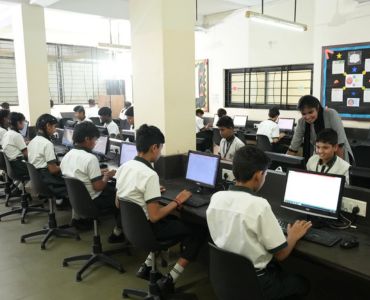
Smart Classrooms and Their Impact
Smart classrooms are one of the most visible aspects of digital learning in modern schools.
Interactive Teaching
Digital boards allow teachers to display videos, diagrams, and presentations instantly. This reduces monotony and increases attention span.
Real Time Demonstration
Teachers can explain complex topics step by step using digital illustrations. Students can see practical examples instead of imagining abstract concepts.
Efficient Revision
Recorded lessons and digital notes make revision easier for students, helping them prepare confidently for examinations.
Delhi Public Elementary School integrates smart classroom technology to complement its concept based teaching approach.
Digital Learning in Modern Schools and Personalized Education
Every student learns at a different pace. Digital learning enables personalized education.
Adaptive Learning Tools
Digital platforms can adjust difficulty levels based on student performance, ensuring individual learning needs are addressed.
Instant Feedback
Online assessments provide immediate results. Students can identify mistakes and correct them promptly.
Self Paced Learning
Students can revisit recorded lessons and additional resources to strengthen weak areas.
At DPES Indore, teachers use digital tools carefully to support students who require extra guidance.
Preparing Students for Competitive Exams
Competitive examinations demand conceptual clarity, analytical reasoning, and application based knowledge.
Digital learning enhances preparation by providing:
- Practice tests
- Interactive problem solving modules
- Video explanations
- Online doubt resolution
Students become comfortable with digital examination formats, which are increasingly common at national levels.
Balancing Technology and Discipline
While Digital Learning in Modern Schools offers numerous benefits, discipline remains essential. Uncontrolled use of technology can distract students. Modern schools must teach digital responsibility alongside digital literacy.
At Delhi Public Elementary School Indore, technology is used under guided supervision. Students are taught to use digital tools for educational purposes rather than entertainment during academic hours. This balanced approach ensures that technology supports learning without compromising focus and discipline.
Role of Teachers in Digital Learning
Technology cannot replace teachers. It enhances their effectiveness.
Facilitators of Learning
Teachers guide students in interpreting digital content correctly.
Curators of Quality Resources
Not all online information is reliable. Educators select appropriate resources aligned with curriculum standards.
Mentors for Responsible Usage
Teachers emphasize ethical and responsible use of technology. At DPES Indore, faculty members combine traditional teaching excellence with modern digital methods.
Digital Learning in Early Education
Even primary level students benefit from structured digital exposure. Interactive storytelling, animated phonics lessons, and educational games improve engagement among young learners.
However, screen time is managed carefully to protect concentration and well being. DPES Indore ensures that digital tools are introduced gradually and responsibly.
Building Future Ready Skills
The future workplace requires more than academic knowledge.
Students must develop:
- Digital literacy
- Problem solving skills
- Collaboration abilities
- Adaptability
- Innovation mindset
Digital learning prepares students for higher education, competitive exams, and professional careers in technology driven industries.
Advantages of Digital Learning in Modern Schools
Digital learning provides several long term benefits:
- Improved academic performance
- Better engagement and participation
- Access to global knowledge resources
- Enhanced communication skills
- Preparation for digital assessments
- Increased motivation among students
When implemented correctly, digital learning strengthens both academic and practical competencies.
Digital Learning at DPES Indore
Delhi Public Elementary School Indore integrates digital tools within a structured academic framework. Located near Aurobindo Hospital on Sanwer Road, the school provides a secure and modern campus where smart classrooms support concept based teaching.
The goal is not to depend entirely on screens but to use technology as a supportive tool that enhances clarity, engagement, and academic growth. DPES believes in blending tradition with innovation, ensuring that students receive strong foundational education alongside modern learning exposure.
Addressing Challenges of Digital Learning
Modern schools must also address potential challenges.
Managing Screen Time
Balanced scheduling prevents overexposure to screens.
Cyber Safety Awareness
Students are educated about online safety and responsible internet usage.
Equal Access
Schools must ensure that digital tools are accessible and inclusive. DPES Indore prioritizes structured and supervised implementation of digital resources to maintain a healthy academic environment.
The Future of Digital Education
Digital learning will continue to evolve with advancements in artificial intelligence, virtual reality, and interactive simulations. Schools that adapt responsibly will empower students to thrive in global academic and professional landscapes. The key lies in maintaining a balance between technology, discipline, and value based education.
Conclusion
Digital learning in modern schools is transforming education by making it more interactive, personalized, and future oriented. It enhances conceptual clarity, builds analytical skills, and prepares students for competitive environments.
However, technology must be guided by discipline and strong academic values. Delhi Public Elementary School Indore combines smart classroom technology with structured teaching practices, ensuring that digital learning supports holistic student development.
By integrating innovation responsibly, DPES prepares students not only for examinations but for a digitally connected future.