




In today’s fast-changing world, education is not only about memorizing facts or scoring high marks in exams it is about critical thinking. Modern education focuses on developing skills that help children think independently, solve problems, and make smart decisions. One of the most important skills students need today is critical thinking.
Critical thinking allows children to analyze information, ask questions, evaluate different viewpoints, and arrive at logical conclusions. Instead of simply accepting information as it is, students learn to understand the deeper meaning behind it.
For young students, developing critical thinking skills from an early age can significantly improve their academic performance, creativity, confidence, and problem-solving abilities. Schools and parents both play an essential role in nurturing this skill.
At Delhi Public Elementary School, the focus is not only on academic excellence but also on helping students develop essential life skills such as critical thinking, creativity, communication, and collaboration. These skills prepare children to face real-life challenges with confidence.
In this article, we will explore what critical thinking is, why it is important for young students, and how schools and parents can encourage it in everyday learning.
What Is Critical Thinking?
Critical thinking is the ability to think clearly, logically, and independently when analyzing information or solving a problem. It involves questioning ideas, examining facts, and evaluating different perspectives before making a decision.
Instead of simply memorizing information, students with strong critical thinking skills learn to understand concepts deeply and apply them in practical situations.
Key Elements of Critical Thinking
Critical thinking includes several important abilities:
- Asking meaningful questions
- Analyzing information carefully
- Evaluating different viewpoints
- Solving problems logically
- Making informed decisions
When children develop these skills early in life, they become better learners and more confident individuals.

Why Critical Thinking Is Important for Young Students
1. Helps Students Become Independent Learners
One of the biggest benefits of critical thinking is that it helps students become independent learners. Instead of relying only on teachers or textbooks, children begin to explore ideas on their own.
They learn to ask questions such as:
- Why does this happen?
- What are the possible solutions?
- Is there another way to look at this problem?
This habit of curiosity and exploration helps students develop a lifelong love for learning.
2. Improves Problem-Solving Skills
Life is full of challenges and problems that require thoughtful solutions. Critical thinking helps students analyze problems step by step and find logical answers.
For example, when students face a difficult math problem or a complex science concept, critical thinking encourages them to break the problem into smaller parts and find the best solution.
This ability becomes extremely valuable not only in school but also in real-life situations.
3. Enhances Creativity and Innovation
Critical thinking and creativity often go hand in hand. When students analyze ideas deeply, they start thinking about new possibilities and innovative solutions.
Children who develop critical thinking skills are more likely to:
- Explore new ideas
- Think outside the box
- Create original solutions
These abilities are essential in today’s world, where innovation plays a key role in success.
4. Builds Confidence in Students
When students learn how to think critically, they gain confidence in their own ideas and decisions. They no longer feel afraid to express their opinions or ask questions in class.
Confidence grows when children realize that their thoughts and perspectives are valuable.
This confidence helps them participate actively in classroom discussions, group activities, and presentations.
5. Prepares Students for Future Careers
The modern workplace requires employees who can analyze situations, solve problems, and make smart decisions.
Many industries today value skills such as:
- Analytical thinking
- Decision making
- Logical reasoning
- Innovation
By developing critical thinking skills early in school, students are better prepared for future academic and professional success.
How Schools Encourage Critical Thinking in Students
Schools play a crucial role in helping students develop critical thinking skills. Modern educational institutions focus on interactive learning methods that encourage curiosity and independent thinking.
At Delhi Public Elementary School, teachers use various innovative teaching methods to help students think deeply and explore new ideas.
Activity-Based Learning
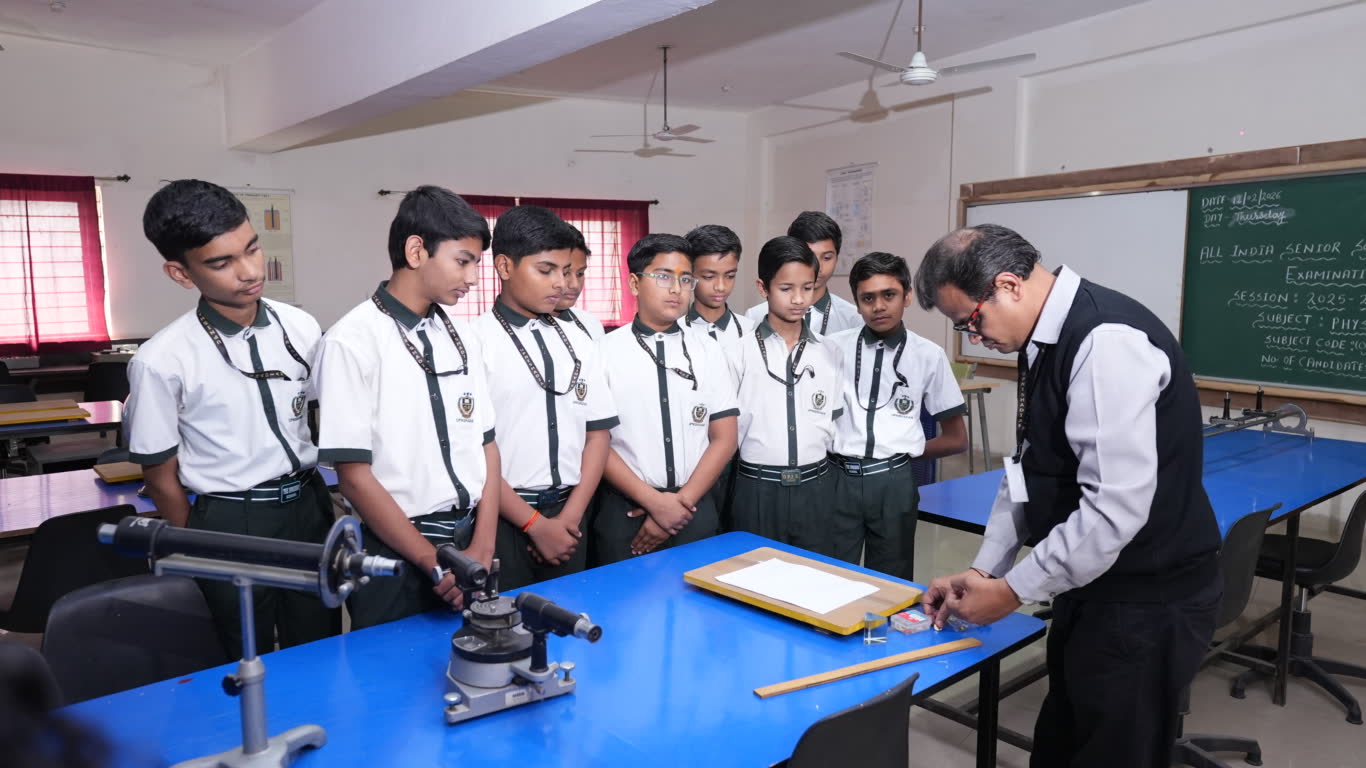
Activity-based learning allows students to learn through hands-on experiences instead of passive listening. Experiments, projects, and group activities encourage children to analyze situations and discover solutions.
This type of learning makes education more engaging and meaningful.
Group Discussions and Debates
Group discussions allow students to share ideas and listen to different perspectives. When children discuss topics with classmates, they learn how to analyze arguments and express their opinions clearly.
Debates also help students develop logical reasoning and communication skills.
Project-Based Learning
Project-based learning encourages students to research topics, collect information, and present their findings.
Through projects, students learn how to:
- Investigate topics deeply
- Organize information
- Draw conclusions based on evidence
This process strengthens both critical thinking and research skills.
Role of Teachers in Developing Critical Thinking
Teachers play a key role in nurturing critical thinking among students.
Encouraging Questions
Good teachers encourage students to ask questions instead of simply memorizing answers. When students feel comfortable asking questions, they begin to explore ideas more deeply.
Creating Interactive Classrooms
Interactive classrooms where students participate actively help develop analytical thinking. Teachers can use storytelling, problem-solving exercises, and real-life examples to stimulate curiosity.
Providing Constructive Feedback
Feedback helps students understand their strengths and areas for improvement. When teachers guide students thoughtfully, children learn how to analyze their mistakes and improve their thinking process.
How Parents Can Support Critical Thinking at Home
Parents also play an important role in developing critical thinking skills in children.
Encourage Curiosity
Children are naturally curious. Parents should encourage them to ask questions about the world around them. Instead of giving immediate answers, parents can ask children what they think the answer might be.
This approach stimulates independent thinking.
Engage in Meaningful Conversations
Discussing everyday topics with children can help them develop reasoning skills.
Parents can ask questions like:
- Why do you think this happened?
- What would you do in this situation?
- Can you think of another solution?
These conversations encourage deeper thinking.
Provide Problem-Solving Opportunities
Giving children small challenges or puzzles can help improve their problem-solving abilities. Activities like building models, solving puzzles, or playing strategy games can strengthen logical thinking.
Activities That Improve Critical Thinking in Young Students
Several activities can help children develop critical thinking skills.
Puzzle Games
Puzzle games challenge children to think logically and find solutions.
Story Analysis
After reading a story, parents or teachers can ask children questions about the characters, decisions, and outcomes.
Science Experiments
Simple science experiments encourage students to observe, analyze, and draw conclusions.
Brainstorming Activities
Brainstorming sessions allow students to explore multiple ideas and solutions.
Long-Term Benefits of Critical Thinking
Students who develop critical thinking skills early enjoy many long-term benefits.
They become:
- More confident decision-makers
- Better problem solvers
- Independent learners
- Creative thinkers
- Effective communicators
These qualities help students succeed not only in academics but also in personal and professional life.
How Delhi Public Elementary School Promotes Critical Thinking
At Delhi Public Elementary School, education goes beyond textbooks. The school focuses on developing well-rounded individuals who can think independently and face challenges with confidence.
Teachers encourage students to:
- Ask questions freely
- Participate in discussions
- Explore new ideas
- Solve real-life problems
Through activity-based learning, collaborative projects, and interactive teaching methods, students develop essential thinking skills that prepare them for the future.
The school believes that nurturing curiosity and analytical thinking is the key to building confident and capable learners.
Conclusion
Critical thinking is one of the most valuable skills a child can develop during their early education years. It empowers students to question ideas, analyze information, and make informed decisions.
In a world filled with information and rapid change, students who can think critically are better equipped to navigate challenges and opportunities.
Schools and parents must work together to create an environment that encourages curiosity, exploration, and independent thinking.
By nurturing critical thinking skills from an early age, we can help children become confident learners, responsible citizens, and innovative leaders of tomorrow.
At Delhi Public Elementary School, the commitment to holistic education ensures that students not only gain academic knowledge but also develop the essential life skills needed for a bright and successful future.