




Education is not limited to textbooks, examinations, and academic achievements. True education shapes character, develops integrity, and builds moral responsibility. In today’s rapidly changing world, where children are exposed to diverse influences through media and technology, the role of schools in building moral values has become more important than ever.
Schools are not only centers of academic learning but also institutions that nurture ethical behavior, discipline, empathy, and respect. Moral values learned during childhood influence decision making, relationships, and professional conduct throughout life.
At Delhi Public Elementary School Indore, value based education is integrated with academic excellence to ensure that students grow into responsible and compassionate individuals.
Understanding Moral Values in Education
Moral values refer to principles that guide individuals to distinguish between right and wrong. These values include honesty, respect, responsibility, kindness, discipline, empathy, and integrity.
Children are not born with fully developed moral understanding. They learn values gradually through observation, guidance, and experience. Schools play a structured role in reinforcing positive behavior through daily routines, classroom interactions, and organized activities.
Moral education builds a foundation for lifelong character development.
Why Moral Values Are Essential for Children
In the modern era, success is often measured by academic performance. However, academic knowledge without strong moral grounding can lead to imbalance.
Builds Responsible Individuals
Children who learn responsibility understand the consequences of their actions. They complete tasks sincerely and respect commitments.
Encourages Respect and Tolerance
Schools bring together students from diverse backgrounds. Learning to respect differences promotes harmony and social maturity.
Strengthens Emotional Intelligence
Moral values help children manage emotions, resolve conflicts peacefully, and develop empathy toward others.
Supports Long Term Success
Professional and personal success depend heavily on honesty, discipline, and integrity. Early moral development prepares students for future challenges.
At Delhi Public Elementary School Indore, these values are cultivated intentionally through structured programs and daily interactions.
Role of Teachers in Moral Development
Teachers are among the most influential figures in a child’s life.
Acting as Role Models
Children observe teachers closely. When educators demonstrate punctuality, fairness, patience, and respect, students naturally adopt similar behaviors.
Guiding Ethical Discussions
Classroom discussions often include moral dilemmas, stories, and examples that encourage critical thinking about right and wrong.
Encouraging Positive Behavior
Positive reinforcement motivates students to maintain good conduct willingly rather than out of fear.
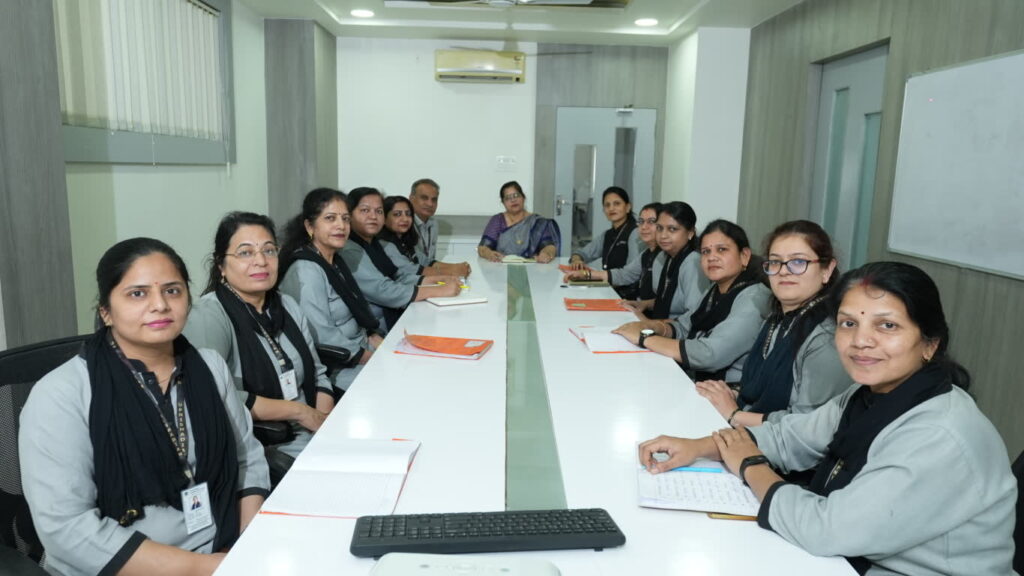
At DPES Indore, teachers combine academic instruction with character building through mentorship and consistent guidance.
School Environment and Moral Growth
A school’s culture significantly impacts moral development.
Structured Discipline
Clear rules and expectations teach students accountability. Discipline helps students understand boundaries and responsibilities.
Collaborative Learning
Group activities and teamwork foster cooperation, mutual respect, and communication skills.
Celebration of Cultural and National Events
Celebrating events such as national festivals, cultural days, and social awareness programs instills patriotism, unity, and respect for traditions.
Delhi Public Elementary School promotes structured routines and value based assemblies to reinforce ethical principles regularly.
Moral Values Through Curriculum
Moral education is not limited to moral science classes. It can be integrated into all subjects.
Literature and Language
Stories and biographies introduce students to role models who demonstrate courage, honesty, and leadership.
Social Studies
Lessons on history and civics teach responsibility, citizenship, and respect for law.
Science and Technology
Students learn ethical use of technology and responsibility in scientific advancement.
At DPES Indore, moral lessons are woven into academic subjects to ensure holistic growth.
Importance of Value Based Assemblies
Morning assemblies provide a powerful platform for reinforcing moral values. Students participate in thought sharing, speeches, and reflections on themes such as honesty, kindness, and perseverance. These activities build confidence while strengthening ethical awareness.
Extracurricular Activities and Character Building
Character is shaped not only in classrooms but also during extracurricular activities.
Sports
Sports teach teamwork, discipline, respect for rules, and resilience.
Cultural Programs
Participation in cultural events promotes confidence and appreciation for heritage.
Leadership Opportunities
Prefect systems and group responsibilities develop accountability and decision making skills. At Delhi Public Elementary School Indore, holistic development is encouraged to build well rounded personalities.
Teaching Empathy and Social Responsibility
Empathy is one of the most essential moral values.
Schools encourage empathy through:
- Community awareness programs
- Group projects
- Peer support initiatives
Students learn to support classmates, respect elders, and contribute positively to society. DPES fosters a nurturing atmosphere where kindness and compassion are encouraged daily.
Digital Responsibility and Moral Awareness
Modern children interact extensively with digital platforms. Moral education must include digital ethics.
Students are guided on:
- Responsible use of technology
- Cyber safety awareness
- Respectful online communication
At DPES Indore, digital learning is balanced with ethical guidance to ensure responsible behavior.
Parent and School Partnership in Moral Education
Moral development becomes stronger when school and home environments align. Regular parent teacher communication ensures consistent reinforcement of positive behavior.
Delhi Public Elementary School maintains transparent interaction with parents, encouraging collaboration in nurturing disciplined and ethical students.
Long Term Impact of Moral Education
Moral values learned during childhood influence adulthood significantly.
Students with strong moral foundations are more likely to:
- Demonstrate integrity in professional life
- Build healthy relationships
- Contribute positively to society
- Handle challenges responsibly
Academic excellence combined with ethical strength creates true success.
How DPES Indore Promotes Moral Values
Delhi Public Elementary School located near Aurobindo Hospital on Sanwer Road, Indore integrates moral education within its academic framework.
The school promotes:
- Discipline and punctuality
- Respect for teachers and peers
- Participation in value based activities
- Structured classroom behavior
- Positive reinforcement systems
The aim is not merely to create high scoring students but responsible citizens.
Creating Future Leaders with Strong Character
Leadership requires honesty, accountability, and compassion. Schools that emphasize moral values prepare students to become ethical leaders.
At DPES Indore, leadership opportunities and structured mentorship help students develop confidence and moral strength simultaneously.
Conclusion
Schools play a vital role in building moral values in children. Through structured discipline, role modeling, collaborative learning, and value based activities, educational institutions shape character alongside academic knowledge.
Moral education ensures that students grow into responsible, empathetic, and ethical individuals capable of contributing positively to society.
Delhi Public Elementary School Indore remains committed to nurturing strong moral foundations along with academic excellence. By integrating values into daily school life, DPES prepares students not only for examinations but for life itself.